Loders CE
Primary Academy
Learning and Development
We use our extensive knowledge and experience to plan activities which enable children to learn and develop. We aim to provide children with appropriate challenge to create happy, critical thinkers and independent young people.
The curriculum is organised into seven areas of learning:
-
Communication and language;
-
Physical development;
-
Personal, social and emotional development;
-
Literacy;
-
Mathematics;
-
Understanding the world; and
-
Expressive arts and design

We use Tapestry, an online learning journey, where we add observations of children, in particular noteworthy achievements. Parents and carers are encouraged to view their child's observations, as we understand what a significant part parents and carers play in their child's early learning nad development. When completing an observation, we ask that parents and carers include #homelearning within their observation. Clicking on a specific hashtag allows staff to view the progression of a child's skills in a specific are of learning, over time.
We understand how crucial acquiring early language is within the early years. Every day we share quality story books, listen to, learn and recite poetry linked to specific themes and sing nursery rhymes.
We also encourage you to share nursery rhymes and books with your child at home. Reading to children is the best way of encouraging them to love books and reading. By reading stories aloud to children every day, you are forming a link for them between reading, comfort and love.
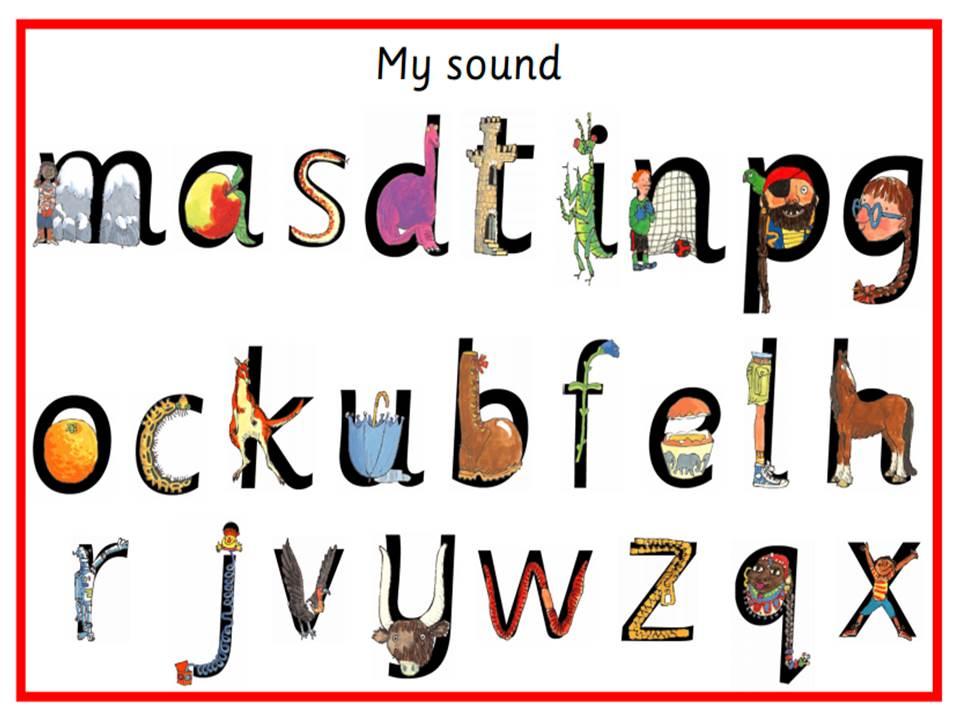
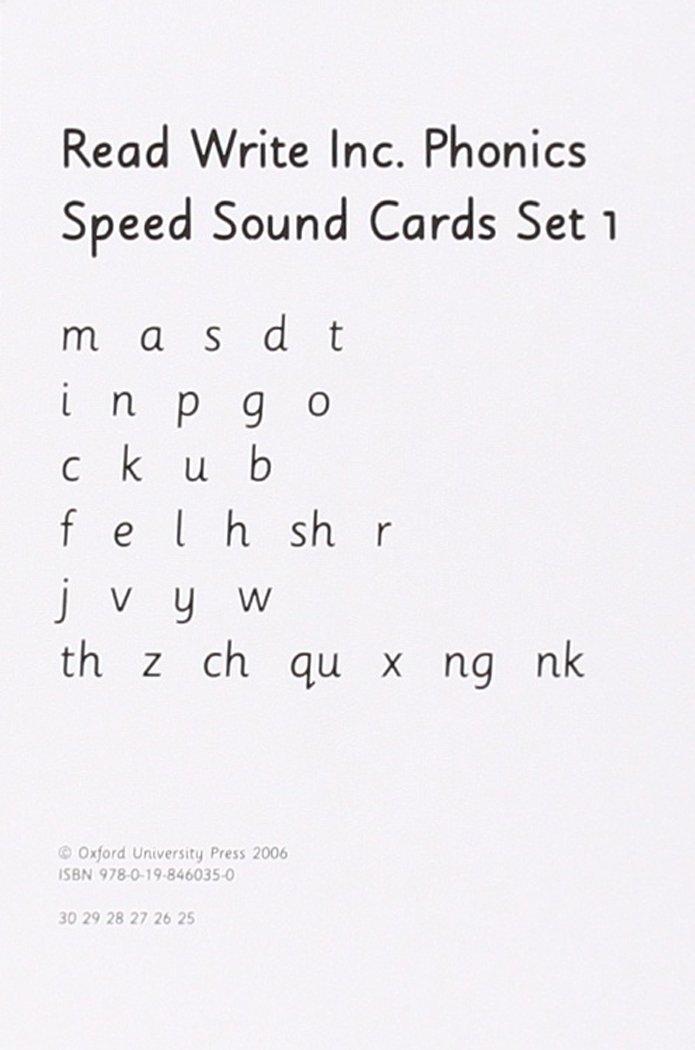
We introduce RWI Nursery Phonics for children who are ready, in the final summer term before children move to Reception. In the term before starting school, children will firstly learn to name the picture to match each sound, e.g. ‘orange’ and ‘girl’, and then start to learn the Set 1 sounds, if they are ready to. Please refer to the specific section for RWI Phonics on our school website, found under: Curriculum>Subjects>Phonics
Statutory Two Year Old Progress Checks
The learning and development requirements of the Statutory Framework for the Early Years Foundation Stage (EYFS) state that:
'When a child is aged between two and three, practitioners must review their progress, and provide parents and/or carers with a short written summary of their child's development in the prime areas. This progress check must identify the child's strengths, and any areas where the child's progress is less than expected,' (Section 2.4, 2021).
Aims of the EYFS progress check at age two:
-
review a child's development progress in the three prime areas of Communication and Language, Personal, Social and Emotional Development and Physical Development.
-
ensure that parents have a clear picture of their child's development
-
enable practitioners and parents to understand the child's needs and plan activities to meet them
-
note areas where a child is progressing well and identify any areas where progress is less than expected
-
describe actions the setting intends to take to address any developmental concerns, (including working with other professionals where appropriate).
The check should be completed by the setting that the child spends the most time in. It is a statutory requirement for the provider to share the progress check with the parent/s and carers. There is an expectation that the parents / carers will share it with the health visitor, ideally to coincide with the Healthy Child Programme two-year-review.